facebook linkedin youtube whatsapp
National Unified Hotline :

+86 22 5807 5652

Email Us :

gm@geostarpe.com

#Language :

EnglishEnglish

内页banner

Search

Home

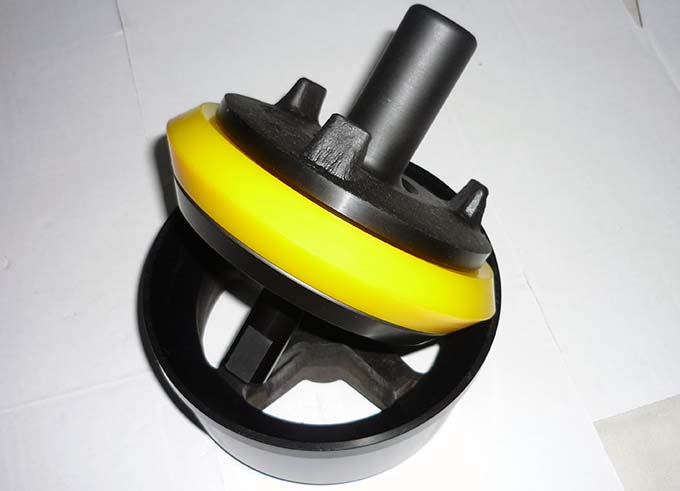
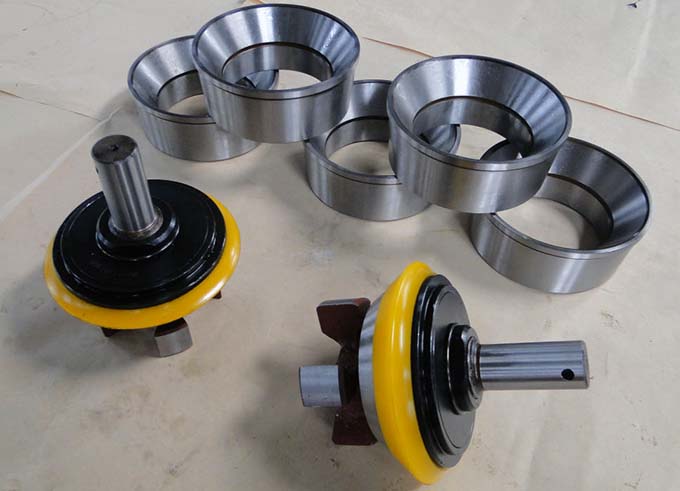
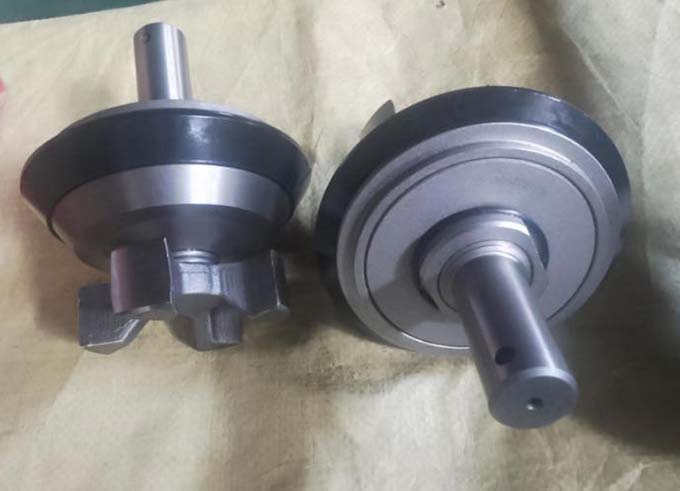
mud pump valve assembly

  • Main Causes of Mud Pump Fluid End Failures and Preventive Measures
    Main Causes of Mud Pump Fluid End Failures and Preventive Measures
    Apr 03, 2026
    The mud pump fluid end is the core working component of a mud pump, directly subjected to reciprocating impact, erosion and corrosion from high-pressure drilling fluid. Its failure is one of the most common equipment malfunctions in drilling operations, which directly leads to unstable pump pressure, insufficient displacement, and even drilling shutdown and productivity loss. Based on field practices, the core failure causes and practical prevention solutions are summarized as follows: I. Wear and Seal Failure of Valve Assembly (Valve Body / Valve Seat) Causes:The mud pump valve body and valve seat are continuously scoured by high-pressure sand-laden drilling fluid, resulting in erosion, pitting and deformation. Fatigue fracture of valve springs prevents proper valve closing and causes backflow pressure relief, leading to severe pressure fluctuations, reduced displacement, seal leakage, and even failure to build up normal operating pressure. Erosive wear: High-viscosity, sand-rich drilling fluid scours the sealing surfaces at high pressure, creating pits and grooves that eventually cause seal failure and internal leakage. Fatigue of springs and structural parts: Mud pump valve springs are prone to fatigue fracture under high-frequency reciprocating motion. Insufficient material strength or inadequate preload on guides and retainers may lead to breakage or detachment, causing eccentric wear and seizure of the valve body. Foreign matter jamming: Inadequate drilling fluid purification allows cuttings, detached hose rubber and other debris to enter the mud pump valve assembly, preventing the valve from seating properly and resulting in seal failure. Preventive Measures: Material upgrading: Select high-chromium alloy, nitrided steel or surface-coated wear-resistant materials for valve bodies, valve seats and liners to ensure excellent erosion and wear resistance. API standard compliance: Source genuine or OEM high-quality parts certified to API 7K or higher standards to avoid premature failure caused by inferior unbranded products. Solid control: Strictly control the sand content of drilling fluid, maintain efficient operation of shale shakers, desanders and other solid-control equipment to reduce particle erosion. Regular maintenance: Disassemble and inspect the valve assembly at specified drilling intervals (e.g., every 500m), replace fatigued springs and worn sealing components. Standardized assembly: Ensure concentricity of the valve assembly, torque retainers to specified values to avoid eccentric wear and detachment. II. Abnormal Wear and Scuffing of Liners and Pistons Causes:High sand content in drilling fluid and insufficient lubrication result in scuffing of liner bores and rapid wear of piston rubbers. Improper assembly or liner runout exacerbates seal failure, causing fluid leakage and insufficient pressure. Liners and pistons form the critical mating pair for fluid pressurization, and their failure directly causes internal leakage in the fluid end. Abrasive wear: Sand particles in drilling fluid act as abrasives between the liner and piston, accelerating scuffing of the liner inner surface and wear of piston rubbers, increasing assembly clearance. Poor lubrication: Inadequate lubrication between liners and pistons causes dry or semi-dry friction, leading to aging, cracking of piston rubbers, or corrosion and cracking of liners, resulting in lost sealing performance. Improper assembly: Misaligned liners or eccentric piston/piston rod installation create uneven localized stress, causing one-sided rapid wear and shortened service life. Preventive Measures: Reduce sand content: Ensure efficient operation of shale shakers, desanders and desilters to strictly control solid and sand content in drilling fluid, minimizing abrasive wear at the source. Fluid optimization: Adjust drilling fluid viscosity, gel strength and pH value properly; use high-quality additives to reduce corrosive media attack on fluid cylinders. Apply special grease or lubricant at regular intervals to eliminate dry friction. Liner selection: Use highly wear-resistant liners with surface strengthening treatments such as chrome plating or nitriding to extend service life. Standardized installation: Verify liner concentricity with a dial indicator, tighten liner glands evenly to avoid eccentricity and deformation. Periodic inspection: Measure liner inner diameter and piston assembly clearance regularly; replace wearable parts when clearances exceed limits. III. Cracking and Corrosive Perforation of Fluid Cylinder Housing Causes:Long-term high-frequency pressure impact induces fatigue cracking. Corrosive media (salts, acidic or alkaline additives) in drilling fluid cause pitting and stress corrosion, leading to leakage or even rupture in severe cases. As a pressure-retaining component under high pressure, failure of the fluid cylinder housing may result in equipment scrappage or safety incidents. Pressure impact and fatigue: Pressure surges (water hammer effects) during mud pump startstop, parameter adjustment or overpressure operation subject the fluid cylinder to severe cyclic loading, causing metal fatigue, micro-cracking and progressive propagation. Corrosive damage: Abnormal pH value, salts or chemical additives in drilling fluid cause pitting or stress corrosion on the inner wall of fluid cylinders, reducing wall thickness and structural strength, eventually leading to rupture. Material and processing defects: Substandard fluid cylinder material or inadequate heat treatment (insufficient hardness, poor toughness) results in low impact and corrosion resistance, leading to early failure. Preventive Measures: No overpressure operation: Operate strictly within the mud pump’s rated pressure; avoid pressure surges and overloading to prevent impact overload. Material control: Use high-strength alloy steel fluid cylinders that meet API standards with qualified heat treatment. Corrosion control: Regulate drilling fluid pH and salinity, apply corrosion inhibitors to reduce chemical attack. Non-destructive testing: Conduct magnetic particle or ultrasonic inspection on fluid cylinders periodically to detect micro-cracks at an early stage for timely replacement. IV. Summary Failures of the mud pump fluid end are not accidental, but result from a combination of four factors: material, operating conditions, assembly and maintenance. By selecting high-performance parts, strictly controlling drilling fluid solids, standardizing assembly and overhaul, and establishing a preventive maintenance system, the aging process of the fluid end can be effectively delayed and the failure rate significantly reduced. In field operations, a shift from reactive "repair-after-failure" thinking to proactive daily health management of the fluid end is recommended. This approach not only substantially reduces maintenance costs but also ensures safe and efficient drilling operations.  
    Read More

  • Unveiling the Power of F1600 Mud Pump Valves: A Guide to Optimal Oilfield Performance
    Unveiling the Power of F1600 Mud Pump Valves: A Guide to Optimal Oilfield Performance
    Apr 29, 2024
    In the dynamic world of oilfield operations, every component plays a crucial role in ensuring efficiency, reliability, and safety. Among these components, the F1600 mud pump valve stands as a pinnacle of engineering excellence. In this comprehensive guide, we explore the significance of F1600 mud pump valves, shedding light on their importance and impact on drilling operations.   **Understanding the Mud Pump Valve**   Before delving into the specifics of the F1600 mud pump valve, it’s essential to grasp its fundamental purpose. Mud pump valves are integral to the functionality of mud pumps, which are essential components of drilling rigs. Mud pumps are responsible for circulating drilling fluid, or mud, downhole during drilling operations. This fluid serves multiple purposes, including cooling the drill bit, carrying drill cuttings to the surface, and providing hydrostatic pressure to prevent formation fluids from entering the wellbore.   **The F1600 Mud Pump Valve: Engineered for Excellence**   The F1600 mud pump valve stands out as a testament to precision engineering and durability. Crafted from high-quality materials such as stainless steel or ceramic, these valves are designed to withstand the harsh conditions encountered in drilling operations. Their robust construction ensures longevity and reliability, minimizing downtime and maintenance costs for drilling companies.   **Optimizing Performance and Efficiency**   One of the primary functions of the F1600 mud pump valve is to regulate the flow of drilling fluid within the mud pump. By precisely controlling fluid movement, these valves help maintain optimal pressure and flow rates, enhancing drilling performance and efficiency. Additionally, F1600 mud pump valves minimize fluid leakage and pressure loss, ensuring uninterrupted operation and reducing the risk of equipment failure.   **Enhancing Safety and Reliability**   Safety is paramount in the oil and gas industry, and F1600 mud pump valves play a crucial role in ensuring the well-being of personnel and equipment. By maintaining tight seals and preventing fluid backflow, these valves help prevent accidents and spills on the rig site. Their reliable performance contributes to overall operational stability, allowing drilling companies to execute projects with confidence and peace of mind.   **Conclusion**   In conclusion, the F1600 mud pump valve represents a cornerstone of modern drilling technology. Its precision engineering, durability, and performance-enhancing capabilities make it an indispensable component in oilfield operations worldwide. By understanding the importance of F1600 mud pump valves and their impact on drilling performance, companies can make informed decisions regarding equipment selection and maintenance, ultimately driving efficiency, safety, and profitability in the challenging environment of the oil and gas industry.   For more information on F1600 mud pump valves and other essential oilfield equipment, contact us today.
    Read More
  • 7 Proven Strategies to Extend the Service Life of Mud Pump Valve Seats
    7 Proven Strategies to Extend the Service Life of Mud Pump Valve Seats
    Mar 22, 2024
    Introduction: Mud pump valve seats are essential components in drilling operations, ensuring the smooth flow of drilling fluids under demanding conditions. However, frequent wear and tear can lead to premature replacement, causing downtime and increased costs. In this blog post, we'll explore seven effective strategies to maximize the service life of mud pump valve seats, helping you optimize operational efficiency and minimize maintenance expenses.   Keywords: mud pump valve seats, service life extension, valve seat maintenance, drilling operations   1. Choose the Right Valve Seat Material:    - Selecting the appropriate valve seat material is crucial for longevity. Consider factors such as temperature, pressure, and fluid composition to choose between rubber, polyurethane, or steel valve seats.   2. Implement Proper Installation Techniques:    - Ensure that mud pump valve seats are installed correctly, following manufacturer guidelines and recommendations. Proper installation prevents premature wear and ensures optimal performance.   3. Maintain Optimal Operating Conditions:    - Monitor and maintain optimal operating conditions, including fluid viscosity, temperature, and pressure. Operating within recommended parameters reduces stress on valve seats and prolongs their service life.   4. Conduct Regular Inspections:    - Schedule routine inspections to detect early signs of wear, erosion, or damage to mud pump valve seats. Prompt identification allows for timely maintenance or replacement, preventing costly downtime.   5. Clean Valve Seats Regularly:    - Develop a cleaning schedule to remove debris, solids, and contaminants from mud pump valve seats. Clean seats facilitate proper sealing and prevent abrasive particles from accelerating wear.   6. Use Protective Coatings or Liners:    - Consider applying protective coatings or liners to mud pump valve seats to enhance their resistance to abrasion, corrosion, and erosion. These coatings can significantly extend the service life of valve seats in harsh drilling environments.   7. Train Personnel on Maintenance Best Practices:    - Provide comprehensive training to drilling personnel on proper maintenance procedures for mud pump valve seats. Educated operators can identify issues early, perform maintenance tasks effectively, and contribute to prolonged service life.   Conclusion: Maximizing the service life of mud pump valve seats is essential for optimizing drilling operations and minimizing downtime and maintenance costs. By implementing the seven strategies outlined in this blog post – including selecting the right materials, proper installation, maintenance, and personnel training – drilling professionals can extend the lifespan of valve seats and ensure consistent performance in challenging environments. Incorporating these practices into your maintenance regimen will not only improve operational efficiency but also contribute to long-term cost savings and enhanced productivity.   By incorporating relevant keywords and optimizing your content for search engines, such as Google, you can increase the visibility of this blog post to your target audience, attracting readers interested in maximizing the service life of mud pump valve seats through effective SEO practices.
    Read More
  • Understanding Mud Pump Valve Assembly, Valve Seat, and Valve Insert
    Understanding Mud Pump Valve Assembly, Valve Seat, and Valve Insert
    Oct 12, 2023
    Introduction: Mud pumps play a crucial role in drilling operations, especially in the oil and gas industry. Within these pumps, the valve assembly, valve seat, and valve insert are vital components that ensure the smooth and efficient flow of drilling fluids. In this blog, we'll delve into these essential elements, their functions, and how they contribute to the overall performance of a mud pump.   I. Mud Pump Valve Assembly: The mud pump valve assembly is a critical component responsible for regulating the flow of drilling fluid within the pump. It typically consists of two main parts: the valve seat and the valve insert.   II. Valve Seat: 1. Function:    - The valve seat provides a sealing surface within the pump.    - It ensures that drilling fluids flow in one direction, preventing backflow.   2. Materials:    - Valve seats are often made of materials that can withstand high pressure and abrasion, such as tungsten carbide.   3. Design:    - Valve seats are designed to be replaceable, as they tend to wear down over time due to the abrasive nature of drilling fluids.   III. Valve Insert: 1. Function:    - The valve insert works in conjunction with the valve seat to control fluid flow.    - It opens and closes to allow fluid to enter and exit the pump's chamber.   2. Materials:    - Valve inserts are typically made of durable materials, such as chrome or stainless steel, to resist wear and corrosion.   3. Design:    - Valve inserts are designed to fit precisely within the valve seat to create a reliable seal.    - They may have various shapes and configurations depending on the specific mud pump design.   IV. Maintenance and Replacement:    - Proper maintenance of valve seats and inserts is essential for the efficient operation of a mud pump.    - Regular inspections are necessary to detect wear and tear, and replacements should be done as needed to avoid pump inefficiency.   V. Conclusion: In summary, the mud pump valve assembly, consisting of the valve seat and valve insert, is a critical part of any drilling operation. These components work together to control the flow of drilling fluids, ensuring the pump's reliability and efficiency. Understanding their functions and the need for proper maintenance is essential for smooth drilling operations. Remember that the specifics of mud pump valve assemblies can vary depending on the pump's design and manufacturer. Always refer to the manufacturer's guidelines and recommendations for maintenance and replacement procedures to ensure the best performance and longevity of these components in your mud pump system.
    Read More

Leave A Message

Leave A Message
If you are interested in our products and want to know more details, please leave a message here, we will reply to you as soon as we can.
Submit

Home

Products

whatsApp

contact