facebook linkedin youtube whatsapp
National Unified Hotline :

+86 22 5807 5652

Email Us :

gm@geostarpe.com

#Language :

EnglishEnglish

内页banner

Blogs

Home

Blogs

  • Exploring the WH1612 Fluid End of Drilling Pumps: The Core Power Source in Drilling Engineering
    Exploring the WH1612 Fluid End of Drilling Pumps: The Core Power Source in Drilling Engineering
    Dec 10, 2024
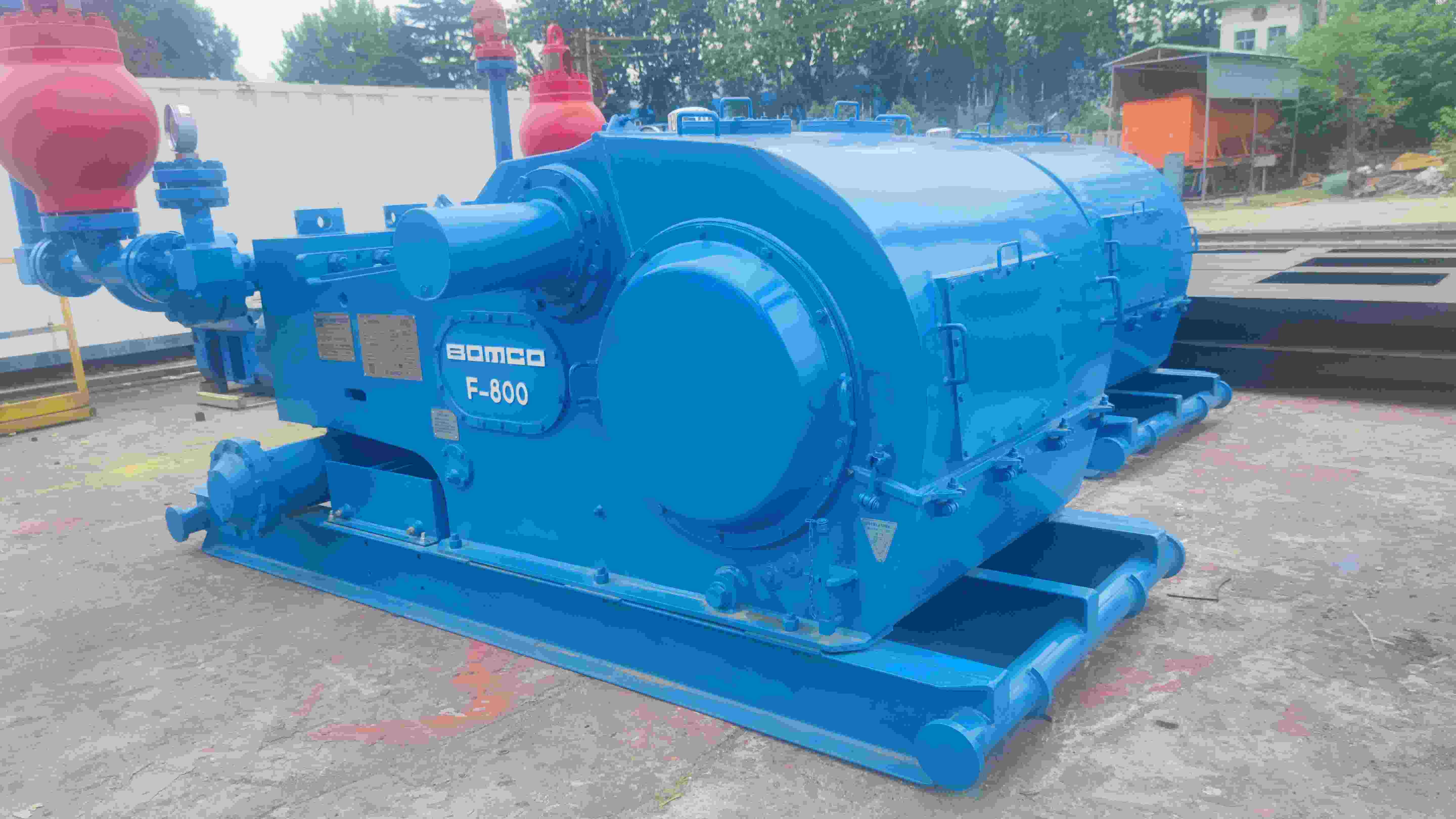
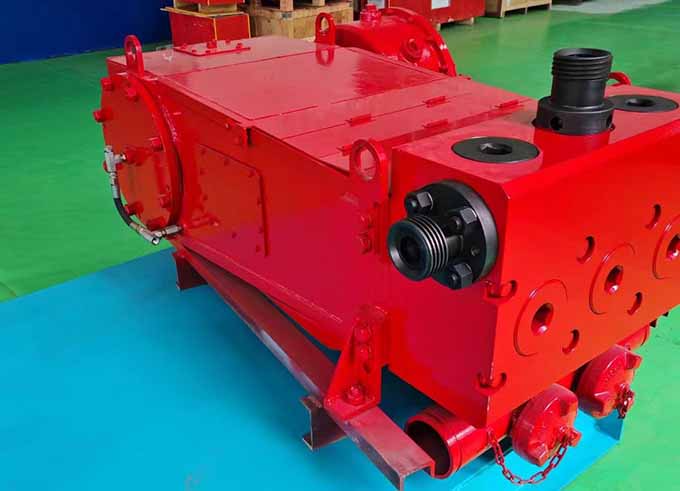
    In petroleum drilling engineering, the WH1612 fluid end of drilling pumps is a crucial component specifically designed for petroleum drilling projects. Throughout the entire drilling operation, it undertakes the important task of converting mechanical energy into the pressure energy and kinetic energy of drilling fluid, serving as a core component to ensure efficient and safe drilling. It is just like a powerful heart, continuously providing essential power for the entire drilling operation and ensuring that the drilling work proceeds smoothly. Today, let's explore this important piece of equipment together. Basic Structure and Components The WH1612 fluid end of drilling pumps mainly consists of several key components such as the cylinder liner, piston/plunger, mud pump fluid end module,suction valve, discharge valve, and sealing devices. The cylinder liner provides a stable space for the reciprocating motion of the piston or plunger. It is usually made of high-strength alloy steel, possessing excellent compressive and wear-resistant properties to cope with the harsh working environment and high-pressure impacts during the drilling process. The piston and plunger are the core moving parts for converting mechanical energy into the pressure energy of the liquid in the fluid end. Since they need to perform high-speed and reciprocating movements within the cylinder liner, extremely high requirements are placed on the wear resistance, sealing performance, and rigidity of their materials. Generally, high-quality alloy materials are selected and undergo precise processing and special treatments to ensure that they can maintain good working conditions during long-term operation. The mud pump fluid end module, which serves as the mounting carrier for the suction valve and the discharge valve, withstands tremendous pressure and liquid impact. It is manufactured using the upright integral forging process. This structure endows the mud pump fluid end module with extremely high strength and rigidity, effectively preventing deformation and rupture. Moreover, it improves the volumetric efficiency, enabling the drilling fluid to flow in and out of the cylinder liner more smoothly. The suction valve and the discharge valve are like the "gatekeepers" of the fluid end, precisely controlling the inflow and outflow of the drilling fluid. They are usually made of high-strength alloy materials and equipped with high-quality sealing parts to ensure that they can remain tightly closed under high pressure differences, preventing the backflow of the drilling fluid, thereby guaranteeing the working efficiency and stability of the fluid end. The sealing devices are the key defense lines to ensure the normal operation of the fluid end, responsible for preventing the leakage of the drilling fluid between various components. From the seals between the piston and the cylinder liner to those between the valves and the mud pump fluid end module, advanced sealing technologies and high-quality sealing materials such as rubber sealing rings and oil seals are adopted. These sealing parts have good high-temperature resistance, high-pressure resistance, wear resistance, and corrosion resistance properties, effectively reducing the leakage risk and improving the reliability and safety of the equipment.   Working Principle and Working Process The working principle of the WH1612 fluid end of drilling pumps is based on the reciprocating motion of the piston or plunger. When the mechanical energy transmitted from the power end drives the piston to move backward, the volume inside the cylinder liner increases and the pressure decreases. At this time, the suction valve automatically opens under the action of the pressure difference, and the drilling fluid is smoothly sucked into the cylinder liner. As the piston moves forward, the volume of the cylinder liner gradually decreases, and the pressure rises rapidly. The suction valve closes, and the discharge valve opens. The high-pressure drilling fluid is then transported through the discharge valve into the drilling pipeline and further flows to the bottom of the well, completing one working cycle. Through continuous repetition of this cycle, the WH1612 fluid end of the drilling pump can continuously provide a stable high-pressure drilling fluid flow for the drilling operation, realizing the circulation of the drilling fluid in the well, carrying the cuttings from the bottom of the well to the ground, keeping the wellbore clean, and simultaneously providing cooling and lubrication for the drill bit to ensure the smooth progress of the drilling process.   Performance Characteristics High-pressure and large-displacement capabilities: The WH1612 fluid end of drilling pumps is designed with outstanding high-pressure output capabilities, capable of meeting the requirements for high-pressure transportation of drilling fluid in complex drilling conditions such as deep wells and ultra-deep wells. Meanwhile, its relatively large displacement range can be flexibly adjusted according to different drilling operation requirements to ensure that the drilling fluid can circulate at an appropriate flow rate and improve drilling efficiency. Good sealing performance: Thanks to the advanced sealing structure and high-quality sealing materials, the fluid end can still maintain good sealing performance under high-pressure working conditions, effectively reducing the leakage of drilling fluid. This not only reduces the risk of environmental pollution but also improves the overall working efficiency of the equipment and reduces the energy loss and maintenance costs caused by leakage. High reliability and stability: By adopting high-strength materials and precise manufacturing processes, each component of the hydraulic end has excellent durability and anti-fatigue performance. Even during long-term and high-intensity drilling operations, it can operate stably, reducing the probability of malfunctions and providing reliable power support for drilling engineering, thus reducing the shutdown risks and maintenance costs caused by equipment failures. Strong adaptability: It can be flexibly configured and adjusted according to different drilling techniques and formation conditions. Whether it is conventional drilling, directional drilling, or horizontal drilling, the parameters of the fluid end can be optimized to make it perfectly match the entire drilling system and adapt to various complex and changeable drilling operation requirements.   Maintenance and Service Points Regular inspections: Establish a comprehensive regular inspection system to conduct a thorough inspection of all components of the fluid end. This includes checking the wear conditions of the piston and plunger, the sealing performance and opening flexibility of the valves, the scratching or corrosion status of the inner wall of the cylinder liner, and the aging and damage degree of the sealing parts. Through regular inspections, potential problems can be detected in a timely manner, and corresponding maintenance measures can be taken to avoid minor faults from developing into major ones. Lubrication management: Ensuring good lubrication of all moving parts of the fluid end is the key to extending the service life of the equipment. Strictly follow the equipment operation procedures, regularly add an appropriate amount of special lubricating oil to components such as the piston, plunger, and connecting rod, and check the working status of the lubrication system to ensure that the lubricating oil passages are unobstructed. Meanwhile, pay attention to the quality and replacement cycle of the lubricating oil and replace deteriorated or contaminated lubricating oil in a timely manner to ensure good lubrication effects. Cleaning and anti-corrosion: The environment at the drilling site is harsh, and the drilling fluid contains a large number of solid particles and corrosive substances, which are likely to cause pollution and corrosion to the components of the fluid end. Therefore, after each use, the fluid end should be cleaned in a timely manner to remove surface dirt and residual drilling fluid. For parts prone to corrosion, such as the mud pump fluid end module and piston rod, measures such as applying anti-corrosion coatings and installing anti-corrosion bushings can be taken to strengthen anti-corrosion protection and extend the service life of the components. Replacement of wearing parts: The piston, cylinder liner, valve rubber, etc. are wearing parts, and their service lives are affected by multiple factors. Reasonably determine the replacement cycle of wearing parts based on factors such as the usage frequency of the equipment, working pressure, and properties of the drilling fluid.   Common Malfunctions and Troubleshooting Methods Insufficient pressure: Possible causes may include failure of the piston or plunger seals, damage to the suction or discharge valves, blockage by foreign objects in the cylinder liner, etc. Check and replace damaged sealing parts and valves, clean out foreign objects in the cylinder liner, and ensure that all components are working properly to restore the pressure output of the fluid end. Unstable flow: This may be caused by air leakage in the suction pipeline, poor sealing of the valves, uneven movement of the piston or plunger, changes in the viscosity of the drilling fluid, etc. To address these issues, carefully check the connection parts of the suction pipeline and repair air leakage points; check and adjust the valve seals; check the moving parts of the piston or plunger to ensure smooth movement and eliminate flow fluctuation phenomena. Leakage problems: If leakage is found in the fluid end, first determine the leakage location. Common leakage points include areas around the sealing parts and valve connections. For leakage of sealing parts, replace the sealing parts in a timely manner; for leakage at valve connections, check and tighten the connection bolts or replace the sealing gaskets to ensure that the leakage problem is completely resolved.   As a core equipment component in drilling engineering, the performance quality and working status of the WH1612 fluid end of drilling pumps are directly related to the success or failure of the entire drilling operation.   The WH1612 drilling pump is the trademark and model of Cameron Company and has nothing to do with Tianjin Geostar Petroleum Equipment Co., Ltd. Tianjin Geostar mainly provides aftermarket spare parts for the WH1612 fluid end.
    Read More
  • Unleashing the Power of 3ZB-350 Triplex Plunger Pump for Oilwell Stimulation
    Unleashing the Power of 3ZB-350 Triplex Plunger Pump for Oilwell Stimulation
    Jun 01, 2024
    In the world of oilwell stimulation operations, the 3ZB-350 Triplex Plunger Pump stands out as a crucial piece of equipment. This blog aims to explore the remarkable features and capabilities of this pump and its significance in the oil and gas industry.   The 3ZB-350 Triplex Plunger Pump is specifically designed to handle the demanding requirements of oilwell stimulation. With its high-pressure capabilities, it can efficiently deliver fluids to enhance the productivity of oil wells. The triplex design ensures reliable and consistent performance, minimizing downtime and maximizing operational efficiency.   One of the key advantages of this pump is its durability. Built to withstand the harsh conditions of oilfield environments, it offers long-term reliability, reducing maintenance costs and ensuring continuous operation. Its precision-engineered components work in harmony to provide smooth and stable fluid delivery, crucial for successful stimulation processes.   In conclusion, the 3ZB-350 Triplex Plunger Pump is a game-changer in oilwell stimulation operations. Its performance, durability, and suitability for various applications make it an indispensable tool in the oil and gas sector. By understanding and leveraging its capabilities, companies can achieve enhanced productivity and success in their oilfield endeavors.    
    Read More
  • Choosing the Right Mud Pump Liner for Petroleum Drilling
    Choosing the Right Mud Pump Liner for Petroleum Drilling
    May 26, 2024
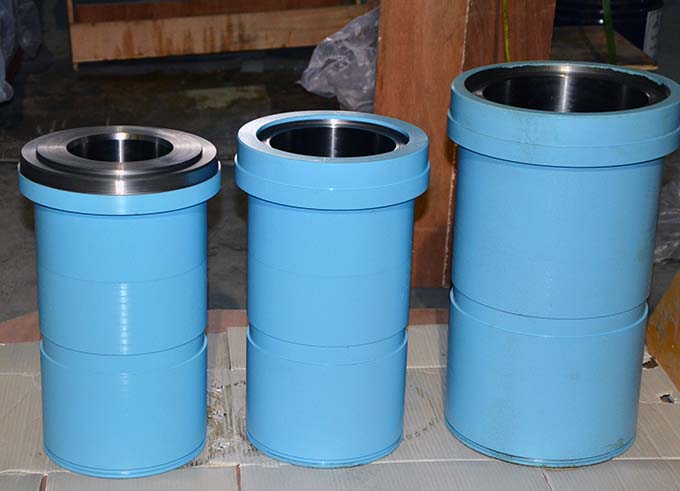
    In the petroleum drilling industry, the selection of the appropriate mud pump liner is of paramount importance. It can significantly impact the efficiency, productivity, and overall success of drilling operations.   Here's what you need to know about mud pump liner selection:   The first factor to consider is the type of drilling environment. Different formations and conditions require liners with specific characteristics. For instance, in harsh and abrasive terrains, a liner with superior wear resistance is essential.   Material quality is crucial. High-quality liners, such as those made from advanced alloys or composites, offer better durability and performance. They can withstand the high pressures and temperatures often encountered in petroleum drilling.   Another aspect is the compatibility with the drilling fluid. The liner should be able to handle the chemical composition and properties of the fluid without degradation or premature wear.   Size and dimensions of the liner also matter. It needs to be precisely sized to fit the mud pump and ensure optimal fluid flow and pressure control.   Moreover, it's important to consider the reputation and reliability of the manufacturer. Well-known brands often provide superior products and after-sales support.   Regular maintenance and inspection of the liner are key to prolong its lifespan. This includes checking for signs of wear and tear and addressing any issues promptly.   In conclusion, making the right choice of mud pump liner for petroleum drilling is a complex but essential task. By considering these factors and staying informed about the latest advancements in liner technology, drilling companies can enhance their operations and achieve better results. And remember, for all your petroleum drilling needs, make sure to choose a liner that stands up to the test.  
    Read More
  • Essential Maintenance Tips for Mud Pump Pistons: Ensuring Optimal Performance
    Essential Maintenance Tips for Mud Pump Pistons: Ensuring Optimal Performance
    May 19, 2024
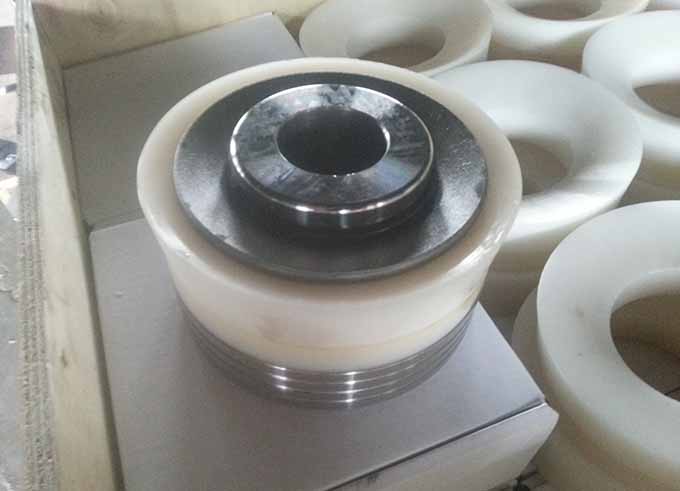
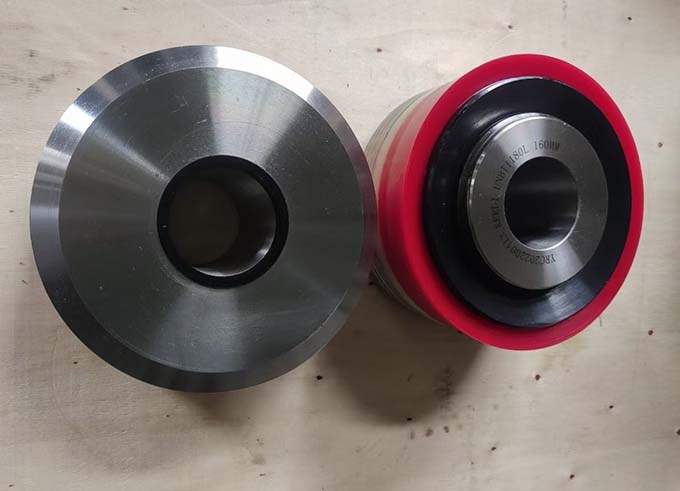
    Mud pump piston is the critical mud pump parts and frequently used fluid end expendables. Maintaining the efficiency and durability of your mud pump pistons is crucial for uninterrupted drilling operations. Whether you’re using popular brands like National or Gardner Denver, proper maintenance can significantly extend the life of your equipment and improve performance. Here are some essential tips to keep your mud pump pistons in top condition:   ### 1. Regular Inspection **Frequent inspections** are the cornerstone of effective maintenance. Check for any signs of wear and tear, such as cracks, pitting, or scoring on the pistons. Regular inspections help in identifying potential issues before they become major problems.   ### 2. Cleanliness Keep the pistons and their surroundings **clean and free from debris**. Contaminants can cause abrasion and accelerate wear. Implement a cleaning schedule to remove dirt and other particles from the piston surfaces and seals.   ### 3. Alignment Checks Ensure that the pistons are **properly aligned** within the pump. Misalignment can cause uneven wear and reduce the efficiency of the mud pump. Regularly check the alignment and make adjustments as necessary.   ### 4. Monitor Pressure Levels **Monitoring pressure levels** is crucial for piston health. Excessive pressure can lead to piston damage. Use gauges to keep an eye on pressure levels and ensure they remain within the recommended range. ### 5. Use Quality Replacement Parts When replacing parts, always opt for **high-quality components** from Tianjin Geostar. You could get the quality replacement parts with more affordable price.    ### 6. Proper Storage Store spare pistons in a **clean, dry environment** to prevent rust and corrosion. Use protective coverings and ensure they are stored in a way that prevents physical damage.   ### 7. Training and Documentation Ensure that your maintenance team is **well-trained** in handling and maintaining mud pump pistons. Keep detailed records of maintenance activities, inspections, and replacements. This documentation helps in tracking the piston’s condition and scheduling timely interventions.   ### 8. Use of Appropriate Tools Always use the **right tools** for maintenance tasks. Using incorrect tools can cause damage to the pistons and other components of the mud pump.   ### 9. Regular Seal Checks Check the seals for any signs of **leakage or damage**. Seals play a crucial role in maintaining the pressure and preventing contaminants from entering the piston chamber. Replace damaged seals promptly.   ### Conclusion Proper maintenance of mud pump pistons is essential for ensuring the reliability and efficiency of your drilling operations. By following these tips, you can extend the lifespan of your pistons and avoid costly downtime. Whether you are using pistons from National, Gardner Denver, or Tianjin Geostar consistent maintenance practices will yield the best results.   For more detailed guides and industry insights, stay tuned to our blog. If you have any questions or need specific maintenance advice, feel free to contact our experts!
    Read More
  • National Mud Pump Liner: Unparalleled Performance and Durability
    National Mud Pump Liner: Unparalleled Performance and Durability
    May 11, 2024
    In the world of petroleum industrial pumping, the National Mud Pump Liner stands out as a symbol of excellence. These liners are engineered to perfection, ensuring reliable and efficient operation in the most challenging environments. The key features of National Mud Pump Liners include their exceptional durability. They are built to withstand the rigors of heavy-duty use, minimizing wear and tear and extending the lifespan of the pump. This not only saves on maintenance costs but also ensures uninterrupted workflow. Another remarkable aspect is their precision engineering. The liners are designed to provide a tight seal, preventing leaks and maximizing the pump's efficiency. This leads to optimal fluid transfer and enhanced productivity. National Mud Pump Liners come in a variety of sizes and configurations to suit different applications and pump models. This flexibility allows for seamless integration into existing systems, making them a versatile choice for various industries. In conclusion, National Mud Pump Liners are the go-to choice for those seeking top-quality, long-lasting, and high-performing pump liners. Discover the difference they can make in your operations today. Search for "National Mud Pump Liner" on Google and explore the possibilities.  
    Read More
  • Exploring the Excellence of National Mud Pump Pistons
    Exploring the Excellence of National Mud Pump Pistons
    May 11, 2024
    In the industrial field, the National Mud Pump Piston is undoubtedly a shining star. With its outstanding performance and reliable quality, it has become the first choice in many industries. The advantages of the National Mud Pump Piston are firstly reflected in its strong durability. It can withstand long-term and high-intensity use and still operate stably in harsh environments, greatly reducing the frequency of maintenance and replacement and saving considerable costs for enterprises. Its excellent sealing performance is also a major highlight. It can effectively prevent mud leakage, ensuring the efficiency and accuracy of mud transmission and guaranteeing the smooth progress of the operation process. Moreover, the National Mud Pump Piston fully considers the needs of various application scenarios in its design. Whether in large-scale engineering projects or in complex working conditions, it can show extraordinary adaptability and provide reliable support for users in different fields. Furthermore, with the continuous progress of technology, the National Mud Pump Piston is also constantly innovating and upgrading. Continuously integrating new materials and processes to continuously improve its performance and always stay at the forefront of the industry. For those enterprises and practitioners who pursue efficient and stable mud pumping operations, the National Mud Pump Piston is definitely a trustworthy partner. Deeply understand and choose the National Mud Pump Piston, which will bring new breakthroughs and developments to your business.   
    Read More
  • National Mud Pump Piston: The Backbone of Efficient Mud Pumping Operations
    National Mud Pump Piston: The Backbone of Efficient Mud Pumping Operations
    May 11, 2024
    When it comes to mud pumping in various industries, the National Mud Pump Piston plays a crucial role. These pistons are the driving force behind the efficient transfer of fluids, ensuring smooth and reliable operations.   The quality and performance of National Mud Pump Pistons are truly remarkable. They are engineered using advanced materials and manufacturing techniques to withstand the harshest conditions. This durability means less downtime and more productivity for your operations.   One of the key features of these pistons is their precision design. They are crafted to exacting standards to ensure a perfect fit and optimal performance within the mud pump. This leads to enhanced sealing and reduced leakage, maximizing the efficiency of the pumping process.   National Mud Pump Pistons also offer excellent compatibility. They can be easily integrated into different types of mud pumps, making them a versatile choice for a wide range of applications. Whether in the oil and gas industry, construction, or other sectors, these pistons are trusted for their consistent and reliable performance.   In addition to their technical superiority, National Mud Pump Pistons are backed by a dedicated team of experts. From initial design to after-sales support, they ensure that customers receive the highest level of service and assistance.   In conclusion, the National Mud Pump Piston is not just a component; it's a key enabler of efficient mud pumping operations. Explore the world of National Mud Pump Pistons and experience the difference they can make in your industry. 
    Read More
  • Unveiling the Heart of Mud Pump Operations: The Mighty Mud Pump Piston
    Unveiling the Heart of Mud Pump Operations: The Mighty Mud Pump Piston
    Apr 29, 2024
    In the intricate machinery of drilling rigs, where precision and reliability are paramount, the mud pump  piston emerges as a vital component, driving efficiency and performance to new heights. In this insightful exploration, we delve into the unique role of the mud pump piston, uncovering its significance and contributions to oilfield operations.   **Understanding the Mud Pump Piston**   At the core of every mud pump lies a series of valves and pistons working in tandem to facilitate the circulation of drilling fluid. The mud pump piston serves as the linchpin of this operation, regulating the flow of fluid within the pump and ensuring smooth and consistent performance. Unlike conventional pistons, mud pump pistons are meticulously designed to withstand the abrasive nature of drilling mud and the high pressures encountered in downhole environments.   **Engineering Excellence: The Anatomy of a Mud Pump Piston**   Crafted from high-strength materials such as steel, mud pump pistons undergo rigorous testing and quality control measures to ensure durability and reliability. Their unique design features precision-machined components, engineered to provide a tight seal and minimize fluid leakage during operation. Advanced coatings and surface treatments further enhance their resistance to wear and corrosion, extending their operational lifespan and reducing maintenance requirements.   **Optimizing Pump Performance**   The efficient operation of mud pumps is essential for maintaining drilling productivity and achieving project objectives. Mud pump  pistons play a pivotal role in optimizing pump performance by controlling fluid flow with precision and accuracy. Their ability to maintain consistent pressure and flow rates enhances drilling efficiency, reduces downtime, and minimizes the risk of equipment failure, ultimately translating into cost savings and operational excellence for drilling companies.   **Enhancing Safety and Reliability**   Safety is a top priority in the oil and gas industry, and mud pump pistons contribute to maintaining a safe working environment on drilling rigs. By preventing fluid backflow and maintaining pressure integrity within the pump system, these pistons help minimize the risk of accidents and spills, protecting personnel and equipment from harm. Their reliable performance instills confidence in operators, ensuring smooth and trouble-free drilling operations even in challenging conditions.   **Conclusion: The Power Behind the Pump**   In conclusion, the mud pump piston serves as the unsung hero of drilling operations, driving efficiency, reliability, and safety in the oilfield. Its robust construction, precision engineering, and performance-enhancing capabilities make it an indispensable component of mud pumps worldwide. By understanding the importance of mud pump pistons and investing in quality equipment, drilling companies can optimize their operations, mitigate risks, and achieve success in the demanding environment of the oil and gas industry.
    Read More
  • Unveiling the Power of F1600 Mud Pump Valves: A Guide to Optimal Oilfield Performance
    Unveiling the Power of F1600 Mud Pump Valves: A Guide to Optimal Oilfield Performance
    Apr 29, 2024
    In the dynamic world of oilfield operations, every component plays a crucial role in ensuring efficiency, reliability, and safety. Among these components, the F1600 mud pump valve stands as a pinnacle of engineering excellence. In this comprehensive guide, we explore the significance of F1600 mud pump valves, shedding light on their importance and impact on drilling operations.   **Understanding the Mud Pump Valve**   Before delving into the specifics of the F1600 mud pump valve, it’s essential to grasp its fundamental purpose. Mud pump valves are integral to the functionality of mud pumps, which are essential components of drilling rigs. Mud pumps are responsible for circulating drilling fluid, or mud, downhole during drilling operations. This fluid serves multiple purposes, including cooling the drill bit, carrying drill cuttings to the surface, and providing hydrostatic pressure to prevent formation fluids from entering the wellbore.   **The F1600 Mud Pump Valve: Engineered for Excellence**   The F1600 mud pump valve stands out as a testament to precision engineering and durability. Crafted from high-quality materials such as stainless steel or ceramic, these valves are designed to withstand the harsh conditions encountered in drilling operations. Their robust construction ensures longevity and reliability, minimizing downtime and maintenance costs for drilling companies.   **Optimizing Performance and Efficiency**   One of the primary functions of the F1600 mud pump valve is to regulate the flow of drilling fluid within the mud pump. By precisely controlling fluid movement, these valves help maintain optimal pressure and flow rates, enhancing drilling performance and efficiency. Additionally, F1600 mud pump valves minimize fluid leakage and pressure loss, ensuring uninterrupted operation and reducing the risk of equipment failure.   **Enhancing Safety and Reliability**   Safety is paramount in the oil and gas industry, and F1600 mud pump valves play a crucial role in ensuring the well-being of personnel and equipment. By maintaining tight seals and preventing fluid backflow, these valves help prevent accidents and spills on the rig site. Their reliable performance contributes to overall operational stability, allowing drilling companies to execute projects with confidence and peace of mind.   **Conclusion**   In conclusion, the F1600 mud pump valve represents a cornerstone of modern drilling technology. Its precision engineering, durability, and performance-enhancing capabilities make it an indispensable component in oilfield operations worldwide. By understanding the importance of F1600 mud pump valves and their impact on drilling performance, companies can make informed decisions regarding equipment selection and maintenance, ultimately driving efficiency, safety, and profitability in the challenging environment of the oil and gas industry.   For more information on F1600 mud pump valves and other essential oilfield equipment, contact us today.
    Read More
  • Exploring the Vital Role of F1600 Mud Pump Liners in Oilfield Operations
    Exploring the Vital Role of F1600 Mud Pump Liners in Oilfield Operations
    Apr 29, 2024
    In the realm of oilfield operations, where every component plays a crucial role in ensuring efficiency and productivity, the F1600 mud pump liner stands as a testament to engineering excellence. In this blog, we delve into the significance of F1600 mud pump liners, uncovering their importance and impact on drilling processes.   **Understanding the Mud Pump Liner**   First and foremost, let’s grasp the fundamental purpose of a mud pump liner. These liners serve as protective barriers within mud pumps, which are integral to drilling rigs. Mud pumps are responsible for circulating drilling fluid, or mud, downhole during drilling operations. This fluid serves various purposes, including cooling the drill bit, carrying drill cuttings to the surface, and providing hydrostatic pressure to prevent formation fluids from entering the wellbore.   **The F1600 Mud Pump Liner: A Key Component**   The F1600 mud pump liner is specifically designed to withstand the harsh conditions encountered in drilling operations. Constructed from durable materials such as high-grade steel or ceramic, these liners offer exceptional resistance to abrasion, corrosion, and erosion. Their robust construction ensures prolonged operational life, reducing downtime and maintenance costs for drilling companies.   **Enhancing Performance and Reliability**   One of the primary benefits of F1600 mud pump liners is their ability to maintain consistent performance under demanding conditions. By effectively sealing off the pump chamber, these liners minimize fluid leakage and pressure loss, allowing mud pumps to operate efficiently at high pressures and flow rates. This not only improves drilling performance but also enhances safety by reducing the risk of equipment failure.   **Optimizing Drilling Operations**   In the fast-paced world of oilfield drilling, time is of the essence. Any delays or disruptions can have significant financial implications. F1600 mud pump liners play a vital role in optimizing drilling operations by ensuring continuous and reliable fluid circulation. Their high-quality construction and precise engineering contribute to smoother drilling processes, allowing operators to achieve greater depths and higher drilling rates with confidence.   **Conclusion**   In conclusion, the F1600 mud pump liner represents a cornerstone of modern drilling technology. Its robust design, durability, and performance-enhancing capabilities make it an indispensable component in oilfield operations worldwide. By understanding the importance of F1600 mud pump liners, drilling companies can make informed decisions regarding equipment selection and maintenance, ultimately driving efficiency and productivity in the challenging environment of the oil and gas industry.
    Read More
  • Service Life Prediction of Mud Pump Piston: Insights and Considerations
    Service Life Prediction of Mud Pump Piston: Insights and Considerations
    Apr 14, 2024
    In the drilling industry, the mud pump piston is a critical component that plays a vital role in the efficient operation of the mud pump. Understanding the service life of the mud pump piston is essential for optimal performance and minimal downtime. In this blog, we'll explore the factors that influence the service life prediction of mud pump pistons.   Material Quality: The quality of the piston material significantly affects its service life. Durable and high-quality materials can withstand the harsh operating conditions.   Operating Conditions: Extreme temperatures, pressure and abrasive fluids can have a negative impact on the service life.   Maintenance and Inspection: Regular maintenance and inspections can help identify potential issues before they lead to premature failure.   Design and Manufacture: Well-engineered and manufactured pistons are more likely to have a longer service life.   Operating Parameters: Factors such as speed, load, and cycle times can affect the wear and tear on the piston.   Lubrication: Proper lubrication is crucial to reduce friction and extend the service life.   Usage Patterns: Heavy or continuous use can lead to earlier wear and tear compared to intermittent usage.   Condition Monitoring: Implementing a condition monitoring program can provide early warning signs of potential failure.   Predictive Analytics: Advanced analytics can help predict the remaining service life based on historical data and real-time monitoring.   By considering these factors, operators can make informed decisions to maximize the service life of the mud pump piston. Regular maintenance, proper operation, and timely replacement of worn-out components are key to ensuring uninterrupted drilling operations. Stay tuned for more insights on maintaining and optimizing the performance of your mud pump components.
    Read More
  • Selecting The Right Mud Pump Valve Seat: A Critical Decision
    Selecting The Right Mud Pump Valve Seat: A Critical Decision
    Apr 14, 2024
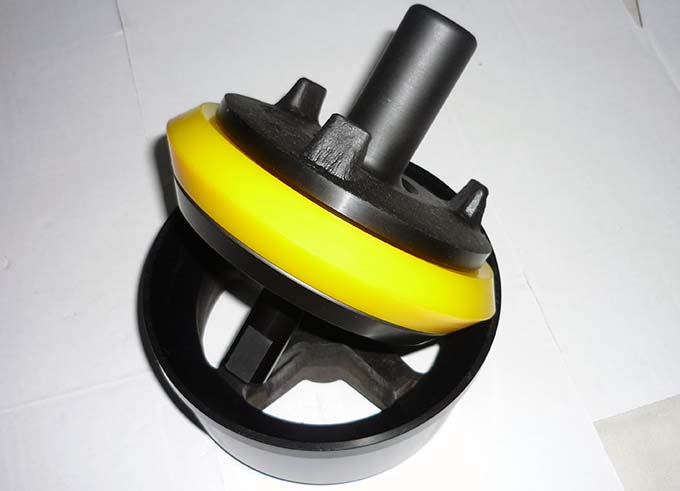
    In the world of drilling and well operations, the selection of a mud pump valve seat is a crucial choice that can impact the efficiency and performance of the entire system. A mud pump valve seat plays a vital role in ensuring the smooth operation of the drilling mud pump and preventing leaks and other issues. Here are some key factors to consider when selecting a mud pump valve seat:   Compatibility: It is essential to choose a valve seat that is compatible with your specific mud pump model. Different pumps may have unique requirements, and using an incompatible seat can lead to problems.   Material Quality: The quality of the material is critical. Look for a seat made from durable, corrosion-resistant materials that can withstand the harsh conditions of the drilling environment.   Leak Resistance: A good valve seat should provide a tight seal to prevent leaks, which can cause efficiency losses and potential safety hazards.   Durability: The seat should be able to withstand the wear and tear of regular use without failing prematurely.   Easy Maintenance: Select a valve seat that is easy to install and maintain, allowing for quick replacements when necessary.   Cost: While it's important not to compromise on quality, also consider the cost of the valve seat and ensure it fits within your budget.   Manufacturer Reputation: Choose a reputable manufacturer with a track record of producing high-quality components.   By taking these factors into consideration, you can make an informed decision when selecting a mud pump valve seat, ensuring the optimal performance and reliability of your mud pump system. Remember, a well-chosen valve seat is a small but essential part that can have a significant impact on the success of your drilling operations.
    Read More
1 2 3 4 5 6 7 8 9
A total of9pages

Leave A Message

Leave A Message
If you are interested in our products and want to know more details, please leave a message here, we will reply to you as soon as we can.
Submit

Home

Products

whatsApp

contact